
The Right’s Weed Problem
As Trump shifts, Indiana still clings to prohibition

President Trump delivered an early Christmas present to all you 420-friendly folks out there. Earlier this month, he signed an executive order reclassifying marijuana, which eases restrictions on research for medical use. The drug had previously been classified as what the feds call Schedule I, right up there with LSD and heroin. Now, weed is in the same category as Tylenol with codeine.
My historical hesitation with marijuana legalization or legalization-adjacent policies had to do with my upbringing. My parents lived through Nancy Reagan’s “Just Say No” campaign in the 80s, and I still have memories of wearing those beer-goggles during elementary D.A.R.E. class in the late 2000s. But, like most other issues, you tend to moderate with the more information you have. Coincidentally, I had just finished Rob DeSalle’s 2025 novel Cannabis - A Natural History earlier this month to grasp a better understanding of an issue I had only foundational knowledge.
It’s important to contrast Trump’s first term from the second: in Trump One, his cabinet was filled with what some may now call establishment restrainers; and Trump Two’s cabinet is filled with populist enablers. For example, Trump One’s first Attorney General, Jeff Sessions, was “determined to return the status of marijuana use to Civiletti’s 1980 guidelines, which included harsh punishment for all prescriptions, sales, and uses of marijuana” (235). In Trump Two, it appears the president is shifting based on marijuana’s growing popularity, with over 60% of Americans believing pot should be legal in 2020 (258). Contrast that with 1996, when pot’s popularity sat around 30% (258).
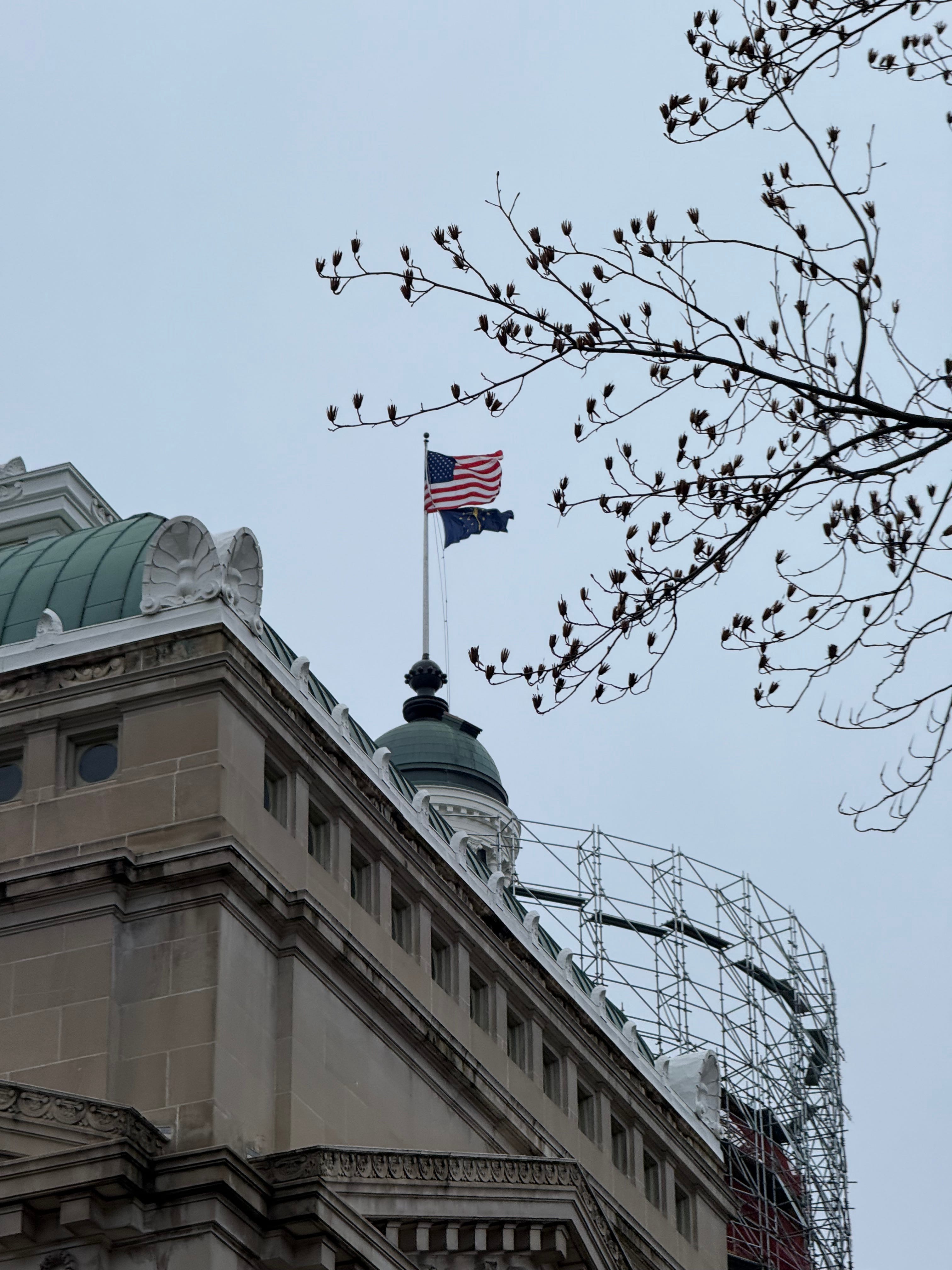
As of 2025, 24 states have legalized recreational marijuana, and Indiana is not one of them. In August, Gov. Mike Braun signaled that federal reclassification adds “a little more fuel to the fire” when it comes to legalization in the state. Locally, Republican State Rep. Jim Lucas filed a bill in January that would have legalized the use of medical marijuana, which failed to pass. With this change at the federal level, perhaps we could see some movement from Indiana in 2026 (to raise tax revenue for local governments that need to do more with less, perhaps?). Indiana AG Todd Rokita, however, was not on board with the federal reclassification.
I understand now that my strong opposition to marijuana legalization was out of fear. And that’s not to say that there are no real dangers of using marijuana. DeSalle writes of a 2018 study out of Canada, which found an “increased risk of symptoms of schizophrenia or psychosis was linked to heavy use and even average use of cannabis, compared with never using it” (252). Working in mental health, I have seen the horrors of severe mental illness such as schizophrenia up close. If recreational use of marijuana is to become legalized in the Hoosier state, children need to be protected, and users need to know the risks.
And before you ask, no, I’m not going down the rabbit hole that all drugs should become recreationally legal (just look at how that worked out for Portland, Oregon). The legal schedule of drugs should remain in place – but marijuana use is objectively not the same as LSD or heroin.
Ultimately, drug use is a choice. How much of the consequences we want to accept from that drug use is up to societal tolerance. Drunk driving has taken countless lives, however, booze remains legal. Governments regulate its use and set consequences for driving under the influence; and we pay taxes to fund rehabilitation programs that help those that become addicted. With marijuana’s popularity today, folks will get their hands on it one way or another, simply by making the drive to a neighboring 420-friendly state. In Indiana, folks are at risk of buying weed off the street that may be laced with a deadly drug such as fentanyl – and that unfortunately includes our children.
The focus of legislators when considering marijuana legalization should be on the safety of children and those at risk of mental illness. The choice before them is between regulation or negligence, transparency or the black market. At the very least, reclassifying marijuana will give legislators more evidence of the risks and benefits so that policy is based on science and morals, not just emotion and fear.
Well said Cole. Indiana needs to stop moralizing over something that has been proven to be useful medically for PTSD, pain, anxiety and sleep issues (including by myself for severe arthritis in both my knees). I agree that it needs to be regulated and unavailable to people under 21 and that safety packaging is used for accidental ingestion by kids. Here in IN, I use Delta 8/9 products for pain and sleep (and the real stuff when I am in a legal state). I purchase these products from two reputable dispensaries here & in Bloomington, where I am given information and advice from people I trust. I have to say however, that the preponderance of Smoke/Vape shops and the myriad of gas stations selling tons and tons of sketchy products with VERY little oversight is both terrifying and dangerous. A good start (IF McConnell's undoing of the 2018 Hemp Farm bill is unsuccessful) would be to turn an eye toward regulating Delta 8/9 products currently for sale to be sold only at reputable, licensed facilities. This will weed out (pun intended) a lot of bad actors who are pushing dangerous & unregulated products and hopefully keep these products out of the hands of the public. But, if they ban even the Delta 8 products, more and more folks will be making trips to MI, IL, OH (and probably soon KY) to purchase their cannabis leaving a lot of IN folks without something that has been medically beneficial to them. Prohibiting legalization also leaves lots of $$$ on the table that our state definitely could benefit from. I am hoping the upcoming 2026 Session will contain some fulsome conversations and movement toward at least legalizing medical cannabis in the very near future.